
Kitchen Island Sizes: Choosing the Right Legs

Choosing the right legs is essential to creating a functional kitchen island. You need to know that your island has the balance and stability to last. Proper island leg sizing is critical to make the best use of countertops, cabinetry, and seating. With hundreds of island legs to choose from at Osborne Wood, you can find exactly what you need for your project.
Understanding Standard Kitchen Island Dimensions
Kitchen islands can vary widely in their design and style, but most of them follow some standard heights. One of the most common heights is 36 inches.
The width and configuration of islands also vary depending on the functionality and style you’re going for.
You don’t want your kitchen island to be too short or too tall. Whether you’re using your kitchen island as a prep area, bar seating, or something else, ensuring proper height is essential. You don’t want uncomfortable seating or constant bending to make appropriate use of your kitchen island.
Island Leg Sizing: Choosing the Right Kitchen Island Height
With height being so important to the function of your kitchen island, proper island leg sizing is critical. The legs you choose will determine the height and need to allow for seating and function. You will need to find the right island legs from a variety of sizes to fit your island’s design.
Standard Countertop Height
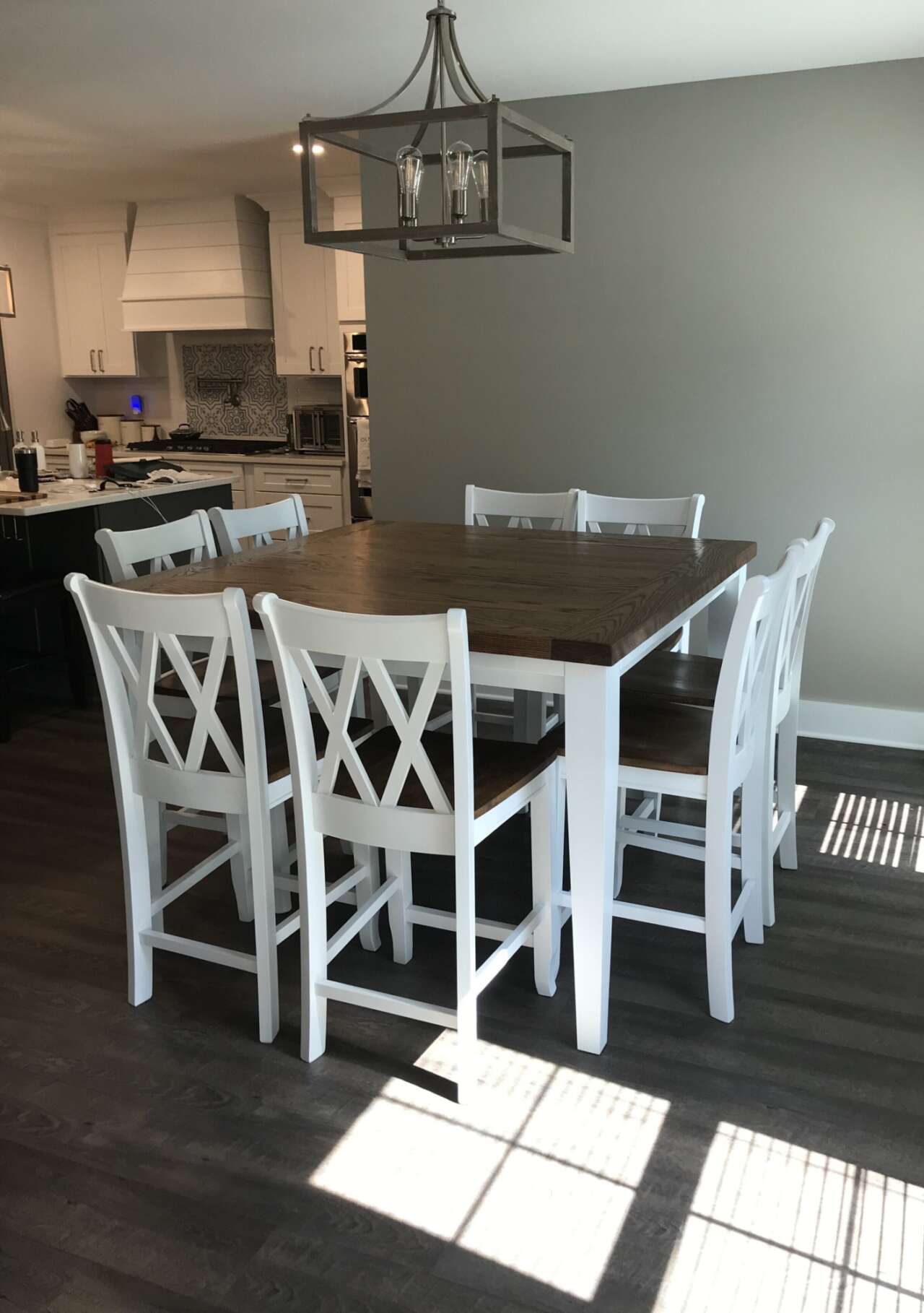
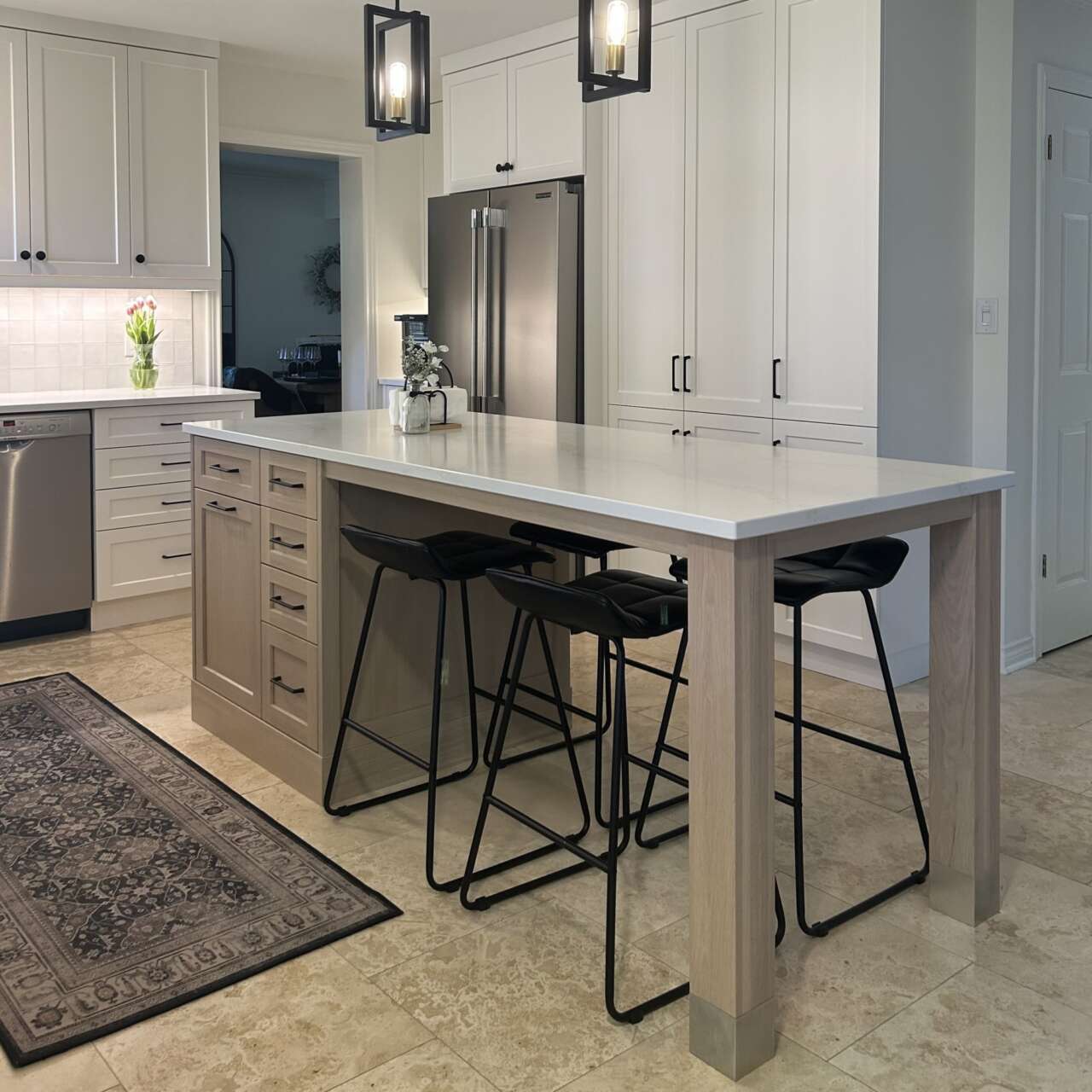
For most standard countertop height islands, you’ll need legs in the range of 34 to 36 inches, depending on countertop thickness. Some standard island leg sizes include 34.5 inches and 35.5 inches, providing a reliable fit and consistent proportions.
 |  |
Non-Standard Heights
While most islands follow the standard height, designs can feature a variety of non-standard heights. This could be for a unique design or for specific functions. Legs in the range of 40.5 inches are perfect for these projects, offering the taller island leg sizing needed.
Custom Heights
If you’re making your own kitchen island, you can choose any height you’d like. Custom island leg sizing is required to meet the needs of these unique projects. Osborne Wood offers custom quotes for legs of any height, with trim services available to tailor most items to your specific needs.
Seating Considerations
If you’re planning on incorporating seating with your kitchen, legroom is an important consideration. You’ll need adequate clearance for stools or chairs, along with minimum legroom allowances. In general, you’ll want 12 to 15 inches of overhang on the countertop beyond the base cabinetry.
Determining Kitchen Island Leg Width and Diameter
While the height is vital to get right, you’ll also need to consider width and diameter for proper island leg sizing. This ensures proper proportions between the countertop, cabinetry, and supports. Finding the right balance between strength and style is essential.
Visual Proportionality
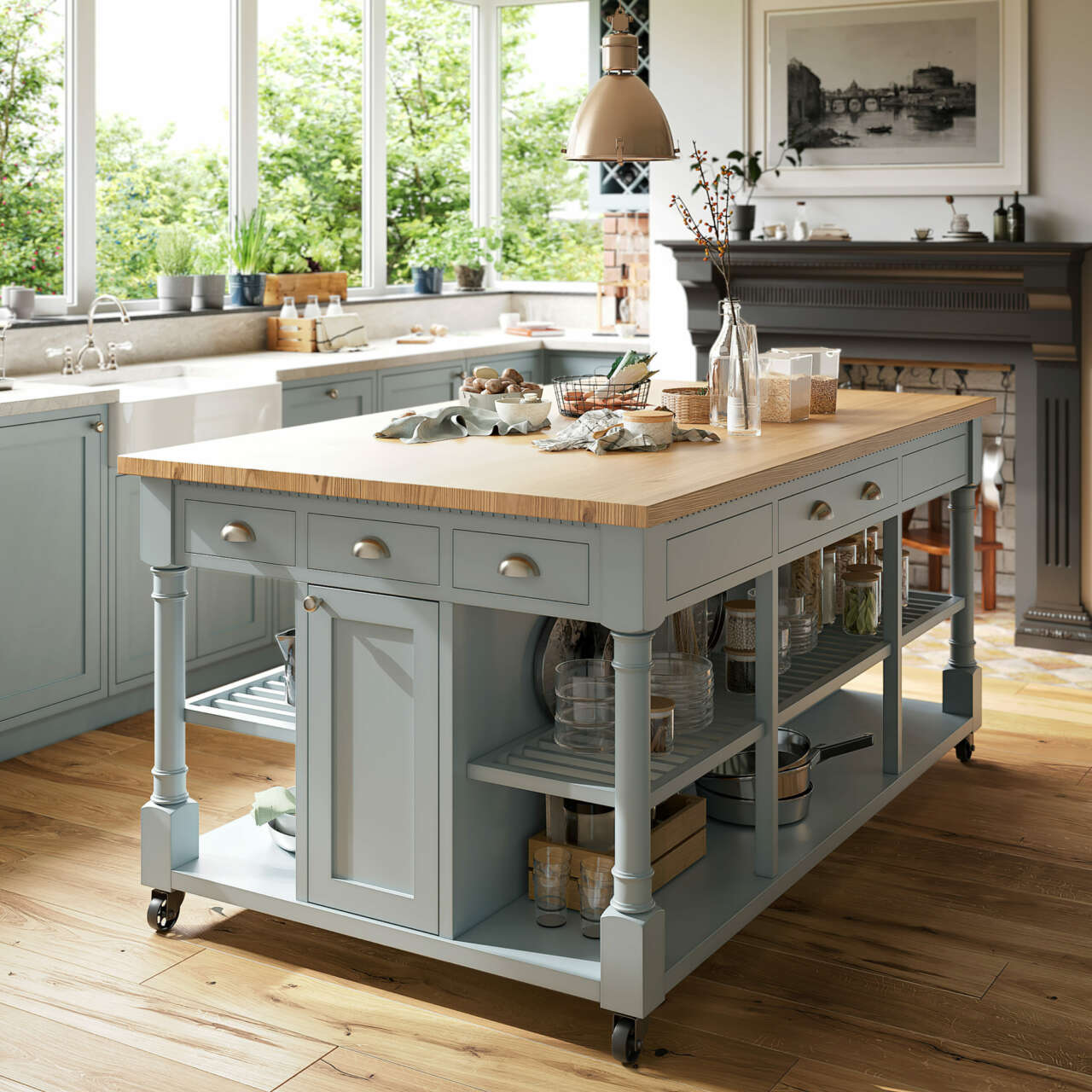
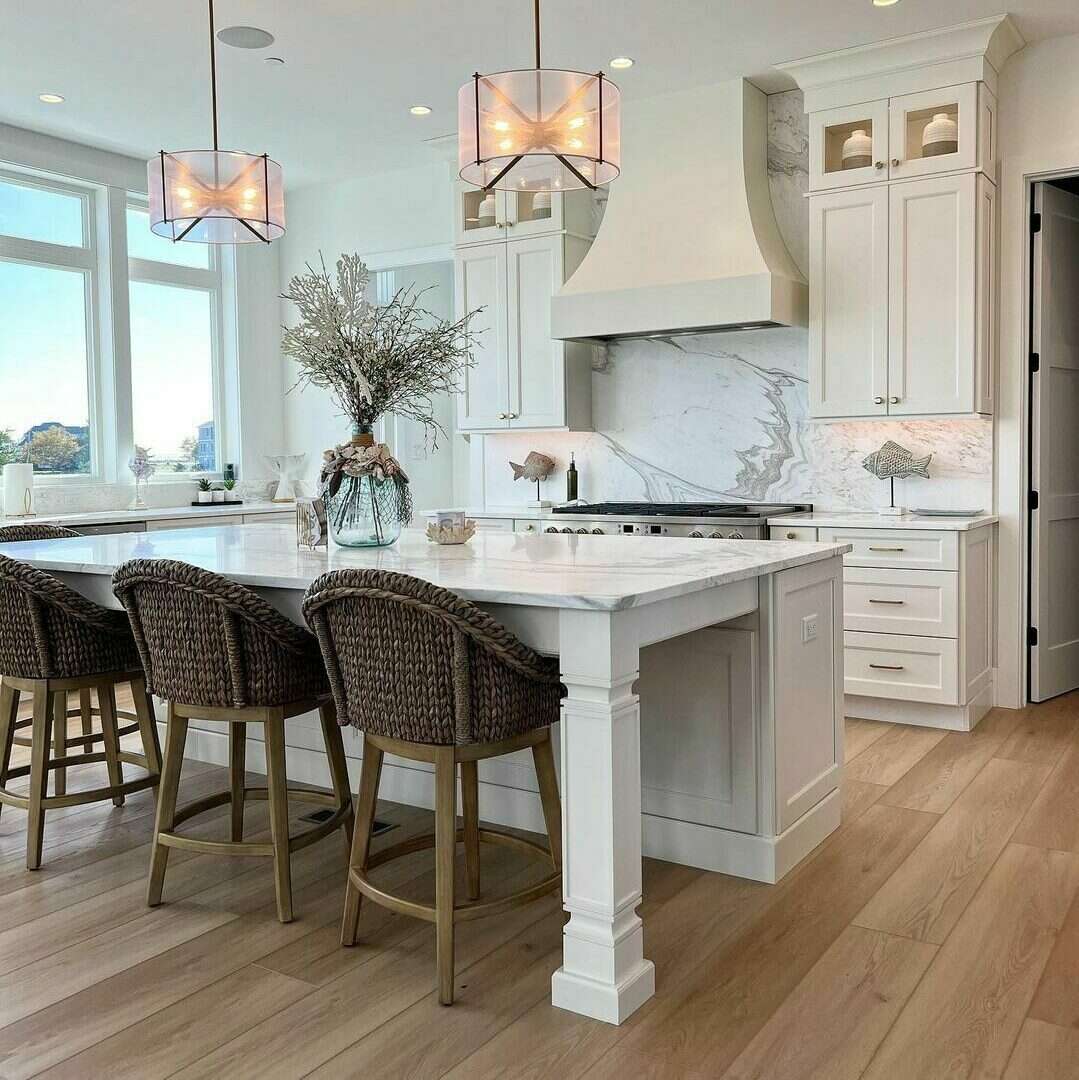
You should consider the proportion of island size and countertop thickness to leg width. Slim legs under a heavy counter can look out of place, while oversized legs can overwhelm a thin top.
 |  |
Small Islands
Smaller islands are typically better off with slimmer legs for visual balance. They can provide sufficient support without being too cumbersome in smaller kitchens and match the style of narrower profiles.
Large Islands
Larger islands typically have wider legs, whether square or turned. This provides both additional stability and balanced aesthetics. For long or oversized islands, you can choose island legs from 6 to 8 inches wide.
Standard Leg Widths
Most islands will have leg widths of around 3.5 to 5 inches. This offers a balanced look for most islands while also ensuring reliable support for standard countertops. You’ll be able to define your island’s presence in the room while ensuring dependable performance.
Materials and Style Considerations
The materials and style of your kitchen island will have a huge impact on leg selection. You’ll need to consider the function and strength you need from your island legs, along with how different materials and styles work together.

Countertop Thickness
A thicker countertop requires stronger, wider legs. If you have a heavy stone or butcher block countertop, your island will need wide legs to support that weight. This also ensures a consistent visual appeal with the larger countertop.
Matching Cabinets
Many homeowners choose to match island legs to the cabinet finish, style, and height to ensure visual continuity. It is typically best to match styles, whether modern or classic, so that every part of your kitchen island works together harmoniously.
Aesthetic Preferences
Of course, much of the island leg selection process comes down to your personal style. There are many different options available. Farmhouse island legs offer a rustic and warm look. Traditional island legs can suit a variety of styles. Mid-century modern designs provide a unique, refined aesthetic.
Choosing the Right Island Legs for Your Project
Island leg sizing and selection are critical to ensure you get the style, function, and longevity you need from your kitchen island project. However, it’s not easy to choose with so many options out there. If you're not sure about the right materials for your project, contact us today to speak with a product specialist at Osborne Wood.