Crown Moulding Ideas & Styles for Woodworkers

At the most basic level, a room consists of four walls and a ceiling. With the right finishing materials, it can be so much more. Crown moulding is a decorative trim used to add visual interest to the ceiling line, imbuing a room with a feeling of luxury.
Woodworkers looking to build something beautiful understand one thing: This level of detail and craftsmanship enhances a living space by adding richness and dimensionality. It also increases property value.
How can decorative trim pieces be used to elevate different architectural styles? The versatility of this classic feature is one reason it lends itself to so many applications. Here are some great crown moulding ideas to help you find your next project.
Why Crown Moulding Is a Woodworker’s Favorite
Seasoned woodworkers understand that small details make the difference between a dull home interior and one that’s dazzling. There’s nothing wrong with a plain ceiling line, but crown moulding does a lot to elevate a simple transition from wall to ceiling. It has a similar effect on the area between the tops of cabinets and the ceiling.
For remodelers, interior designers, hobbyists, cabinetmakers, and other woodworkers, decorative trim allows opportunities to showcase an elite level of craftsmanship.
Joints, profiles, and layered applications give woodworkers license to display unique artistry and put their stamp on a structure. Whether in a classic or contemporary design, crown moulding is a lovely addition to any design project.
Crown Moulding Ideas by Project Type
Decorative wood trim isn’t limited to wall-to-ceiling transitions — there’s no shortage of crown moulding ideas to get your creative juices flowing.
You have artistic license with the trim designs you choose and how you apply them, allowing for truly unique configurations to suit any style. Here are five ideas to help you make an interior space your own with crown moulding.
1. Wall-to-Ceiling Transitions
Most people don’t notice a plain ceiling line, but when you add crown moulding to this transition, it becomes an eye-catching feature.
Crown moulding is frequently seen in traditional homes and may be added to any room in the house, although it’s most often used in formal living and dining rooms, as well as grand entryways.
Selecting a suitable profile for a given room requires accounting for several factors. Most importantly, the trim should match the stature of the room, including dimensions like square footage and ceiling height. A spacious room with high ceilings will naturally accommodate bulkier or more ornate trim since the details need to stand out.
The architectural style of the home will also play a role. Design styles like Baroque or Victorian lend themselves to much more elaborate and layered trims.

2. Custom Cabinetry and Built-Ins
Custom kitchen or bathroom cabinets and built-in bookshelves or entertainment units may seem hard to achieve in your own home. However, there are various ways you can elevate the appearance of your project.With the right application of crown moulding, you can add dimensional layers that create a seamless transition between cabinet tops and the ceiling, connecting the two surfaces for visual unity.
This extra step might seem like a small detail, but it has an incredible impact, especially when you go the extra mile with layered moulding pieces for added depth and embellishment.
3. Door and Window Framing Enhancements
In many modern homes, door and window casings are left plain or omitted altogether to reduce costs. This presents an opportunity to add architectural character by enhancing these areas with decorative trim.
For doors, consider adding a top piece of moulding to frame the opening and create a more finished, elevated look. Even without side or bottom trim, a simple header—especially when paired with corner rosettes or plinth blocks—can give a space a refined, custom appearance.
When it comes to windows, you can enhance your space with a window cornice—a decorative top piece that adds visual interest and draws the eye upward. This type of embellishment works well in both traditional and transitional interiors, offering a subtle yet polished detail without requiring a full window casing upgrade.
4. Furniture Accents
Whether your home is populated by heirloom furniture or modern pieces, one of the best crown moulding ideas to create a cohesive flow is to add trim to standalone pieces like hutches, armoires, and vanities. Trim can also add visual interest to everything from headboards and bedroom sets to desks and shelving units in your home office.
When you match trim on prominent furniture pieces to ceiling lines or custom cabinets, you create the impression that everything goes together, as if your furnishings were designed specifically for your home. This furthers a luxury aesthetic and instills a sense of harmony in your home interior.
5. Coffered Ceilings and Tray Ceilings
If you want to accentuate high ceilings or spacious rooms, consider installing dramatic ceiling features like coffered or tray ceilings. Applying trim to the upper and lower perimeters of a tray ceiling is a simple way to add major visual impact, but you don’t need an existing recess to have fun.
By adding a gridwork of crown moulding, you create the illusion of recessed sections, or coffers, on a flat ceiling. This design element can make a spacious room feel both cozy and opulent. You can also elevate the detail of box beams with the right crown moulding application.
Types of Crown Moulding Styles
While crown moulding is sometimes considered a traditional element, there are plenty of crown moulding ideas to upgrade any home style.
Whether you’re working with a clean, minimalist aesthetic or a rustic combination of natural elements, you can incorporate decorative trim in a way that makes sense and elevates an interior.
Traditional & Colonial
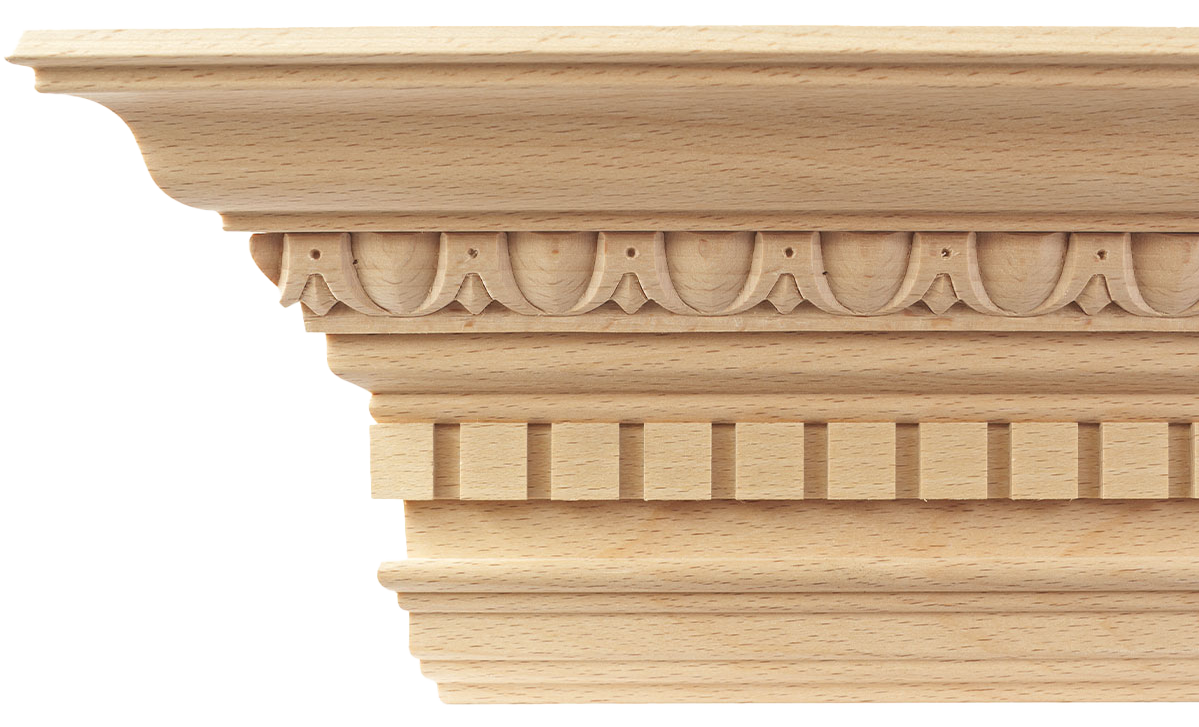
Traditional home styles are influenced by European and early American architecture. A few notable examples are Tudor, Greek Revival, Victorian, and Colonial. These homes tend to feature architectural embellishments such as columns, bay windows, and gabled roofs. They can also accommodate more ornate crown moulding styles.
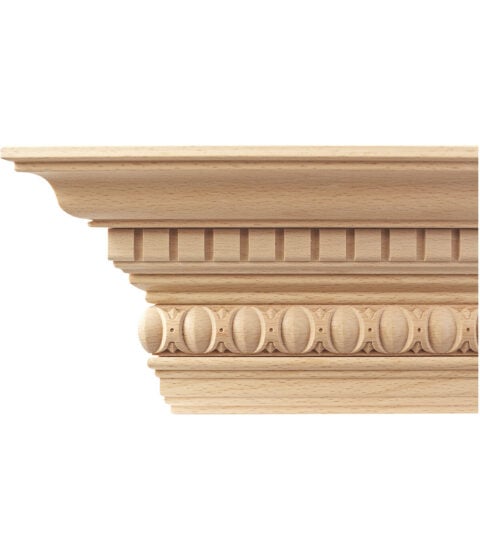
For example, the Detailed Classic Crown Moulding with Egg and Dart & Dentil Inserts is a prime example of the intricate beauty and historical richness that crown moulding can bring to a space. This particular moulding features a sophisticated combination of classic design elements. This type of detailed moulding is ideal for projects aiming to achieve a sense of timeless elegance and historical authenticity, providing a stunning visual transition between walls and ceilings.
Modern & Minimalist
With plenty of samples to peruse, it’s easy to find crown moulding ideas for traditional homes. But how do you go about accenting the clean lines of modern architecture? Simplicity is key, so you’ll want to select trim styles that aren’t too flamboyant.
Smooth finishes and shallow projections are ideal. For a bit more flair, consider a simpler crown such as one that includes fluted or beaded detailing for additional dimension.
Rustic or Farmhouse
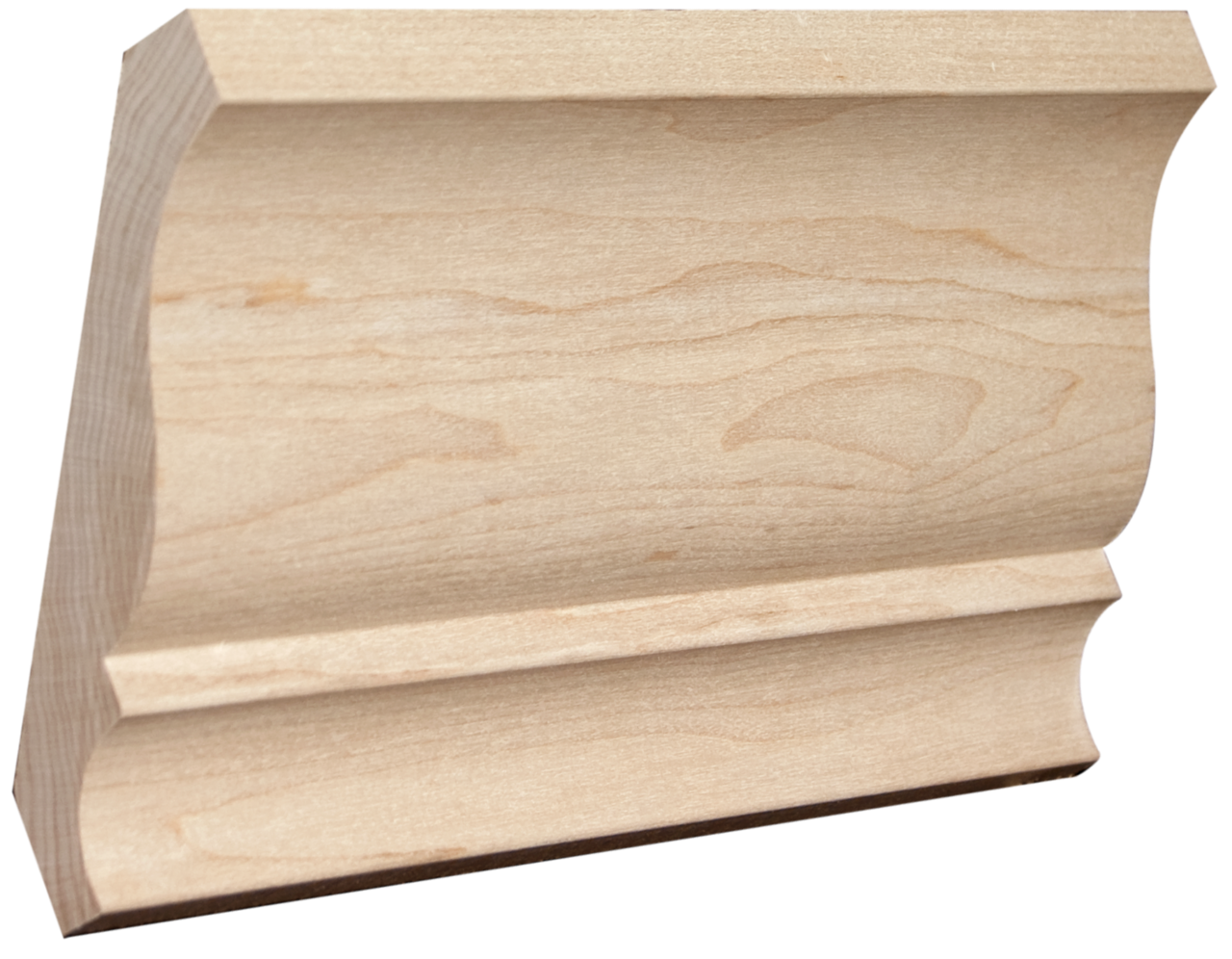
Rustic and farmhouse architectural styles are characterized by the rawness inherent to natural elements like wood and stone. These foundational materials are often juxtaposed against softer furnishings to create cozy, casual living spaces. These styles are anything but formal, and they often have a somewhat unfinished appearance.
Finding the right crown moulding to complement a rustic or farmhouse interior requires a more careful approach. Steer clear of overly elaborate designs. Instead, lean into farmhouse moulding collections or mission moulding and trim.
Transitional
Transitional homes have chic interiors with both classic and contemporary components. Crown moulding is just one more tool for creating a cohesive aesthetic from contrasting designs.
For this style when selecting crown moulding, it may be best to err on the side of caution by choosing the modern simplicity of contemporary moulding styles. You don’t have to default to plain or smooth moulding, but it’s safer to stick to simple, timeless designs that complement — not control — the narrative of your interior.
Wood Types and Finishes to Consider
Before you implement these crown moulding ideas, take a moment to consider how the type of material will impact the completed project.
For example, certain wood species lend themselves to specific aesthetic preferences; beech, with its fine grain and light, uniform color, is particularly well-suited for more casual and contemporary applications, offering a clean and understated elegance that complements modern design sensibilities.
You should also consider paint-grade vs. stain-grade materials. Traditional styles are sometimes painted to match the walls, making for a more subtle detail that supports quiet luxury. For wooden cabinets or furniture applications, staining to match is a better option. Highlighting warmth and wood grain is also common in rustic and modern styles.
Shop Crown Moulding for Your Next Project
Whether you’re complementing a historic home style with traditional moulding, elevating a minimalist interior with sleek wood trim, or going all out with custom millwork, there are endless crown moulding ideas to take your interior design to the next level.
With options ranging from ornate, classic moulding styles to simpler contemporary designs, you’ll have no trouble finding the perfect trim pieces to polish your interior.
Start your creative journey today with Osborne Wood, your source for high-quality turnings, carvings, mouldings, and other products. Browse crown moulding styles or speak with a product specialist to learn more.