
Wood vs. Metal Legs: Which Is Better for Your Furniture?
Whether you own your home, build furniture for a living, or design living spaces for others, every choice will affect the final outcome of your projects. This is especially true when designing furniture and comparing metal vs. wood legs.
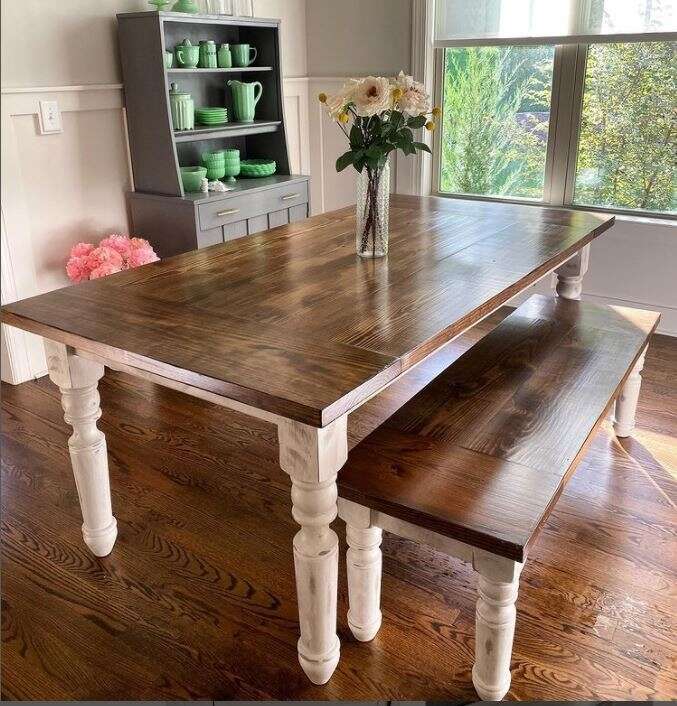 | 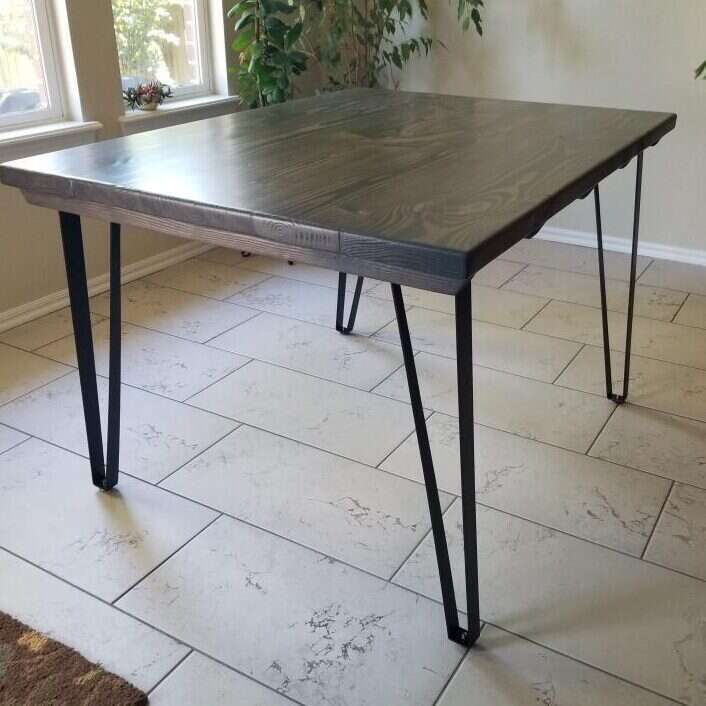 |
While there isn’t necessarily a wrong choice, you’ll want to pick the best option to meet your needs for style, durability, and ease of customization.
Osborne Wood is widely recognized as a leader in ready-to-finish wood components, including table legs. We also sell metal table legs. Regardless of your design choice, you’ll find a wide array of options to help you create beautiful and useful furnishings. Use this guide to choose between wood and metal legs.
The Key Differences Between Wood and Metal Legs
There are a few primary differences between wood and metal legs.
Strength and Durability
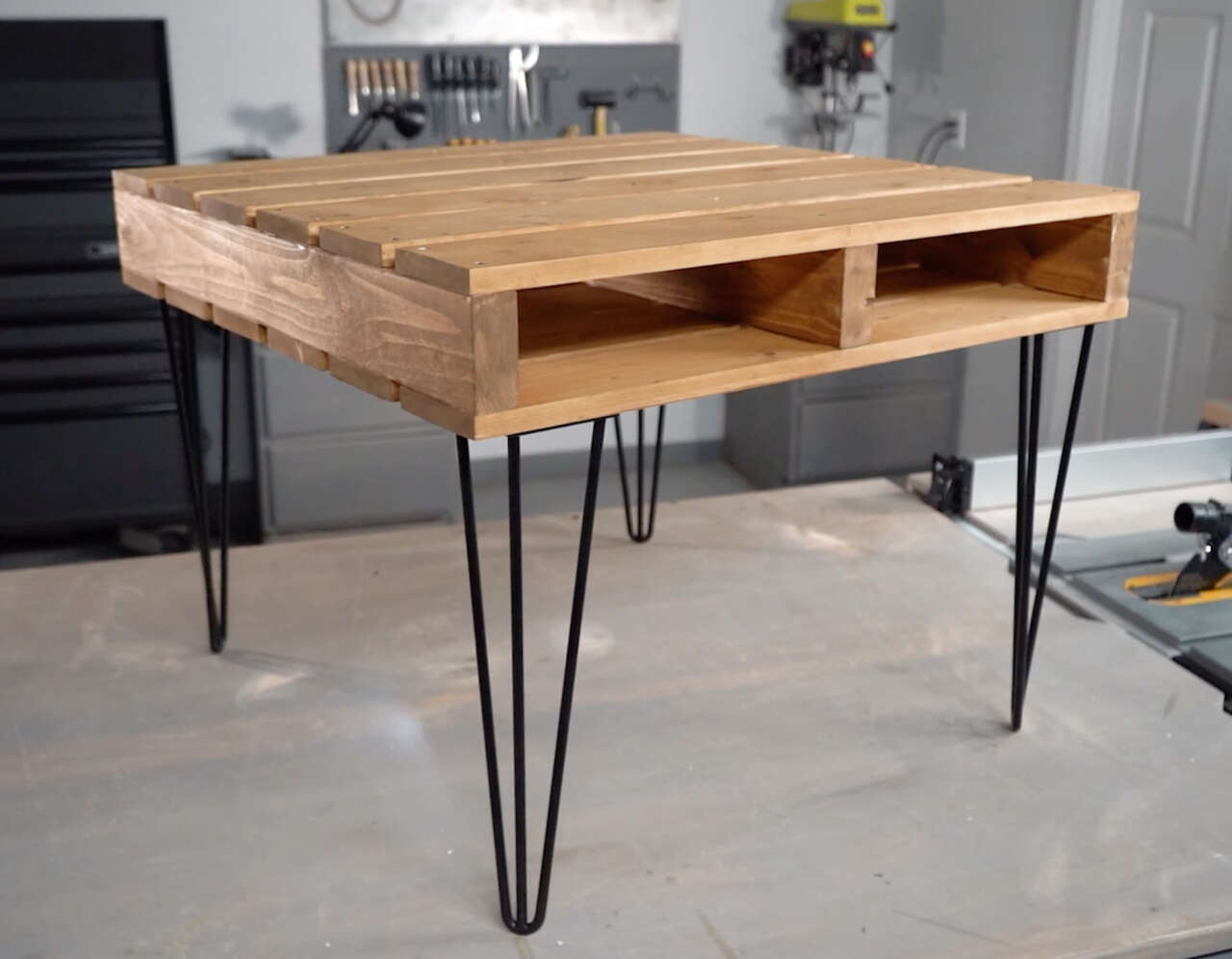
Metal legs might offer better functionality in certain situations. This is especially true when the function of the legs is more important than other deciding factors, such as appearance. That’s because metal legs are naturally strong and durable. Since they’re resistant to bending, they’re better for supporting heavier loads.
Metal legs do have some flaws. For example, they suffer impact damage and may dent as a result. Without proper maintenance, metal will rust or scratch.
When opting for wood legs, look for solid or laminate legs made from durable hardwood species. Wood can last for decades with proper care, which means wood and metal table legs offer similar longevity benefits.
In addition, it’s easier to remove scratches from wood with a little light sanding. After sanding the flawed area, apply a matching stain or paint to restore the original look of the surface.
Style and Design Options
When it comes to the style or appearance of metal and wooden furniture, there are noticeable differences.
Since metal legs don’t bend, designs are usually limited to straight geometric shapes. Squares, triangles, and rectangular shapes are often used, making metal legs ideal for minimalist or utilitarian purposes. They’re also more common in industrial settings.
Wood is more adaptable. Unlike metal, wood goes through a milling process that includes carving, tapering, and more design options. This makes it possible to use wood legs in a wide range of settings.
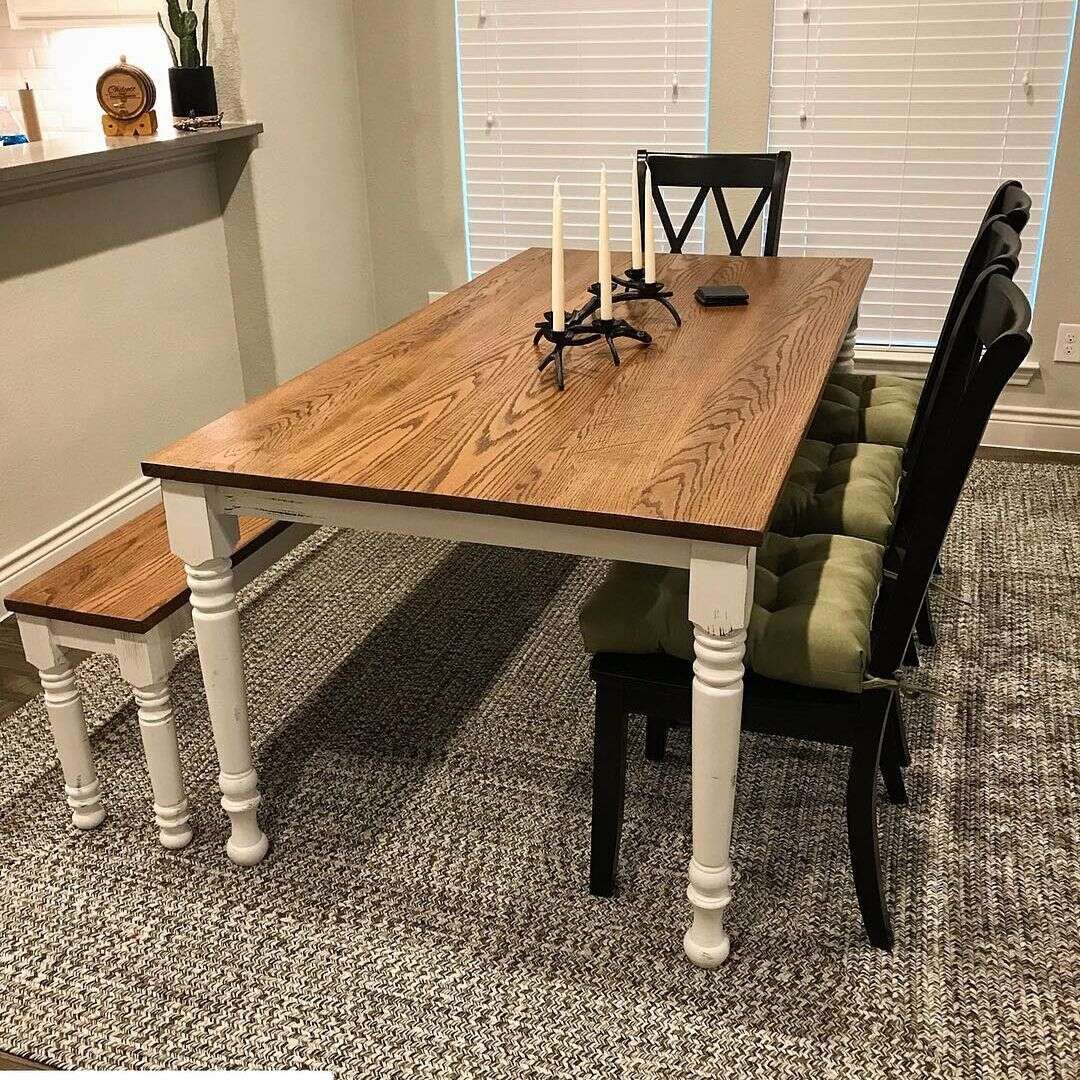
Some examples of home styles that merge well with wood components include:
-
Farmhouse
Classical
Transitional
Rustic
Modern
In addition, taking advantage of grain patterns helps create beautiful legs that defy the limits of the imagination. Including the ability to stain or paint wood offers unmatched design opportunities.
Timeless Appeal
When choosing between wood and metal table legs, consider how the furnishings will look in a decade. Metal legs don’t usually age well. They show wear and tear that’s difficult to mask, and the design limitations affect how metal legs appear after years of use.
Wood offers a traditional look that remains attractive as trends in design fade or shift. In contrast to metal, wood legs stand the test of time. They mix well with both classic and modern architecture, making it possible to keep the same furnishings as home designs change.
No matter how living spaces evolve over several generations, wood components retain their relevance and beauty.
Easy to Customize
Another significant difference between metal and wooden furniture is the ability to customize the legs. When it comes to metal legs, there are very few options. Other than painting the metal and applying a protective finish, these legs usually get installed without modifications. Additionally, it’s rare to find a variety of paint color options.
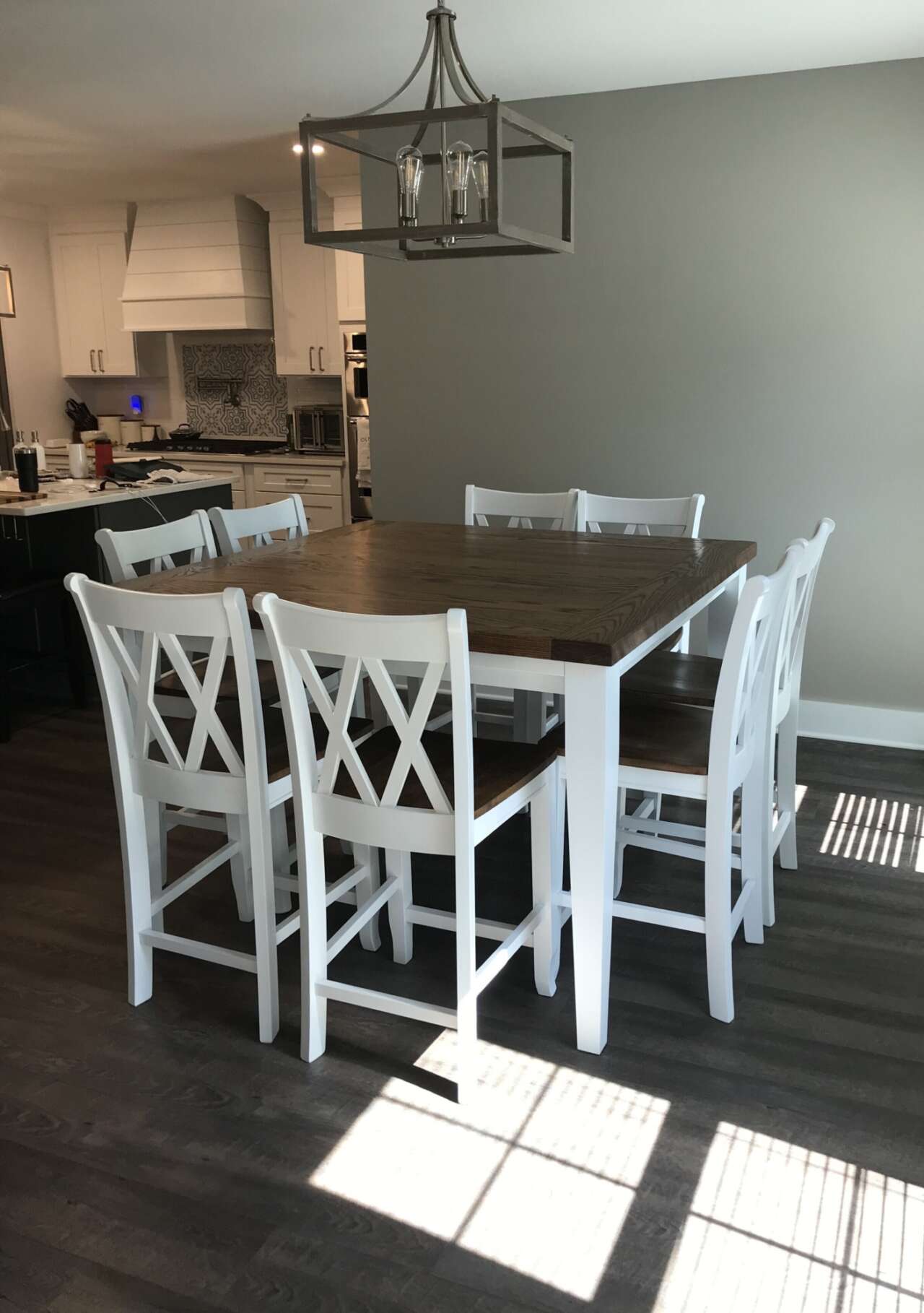
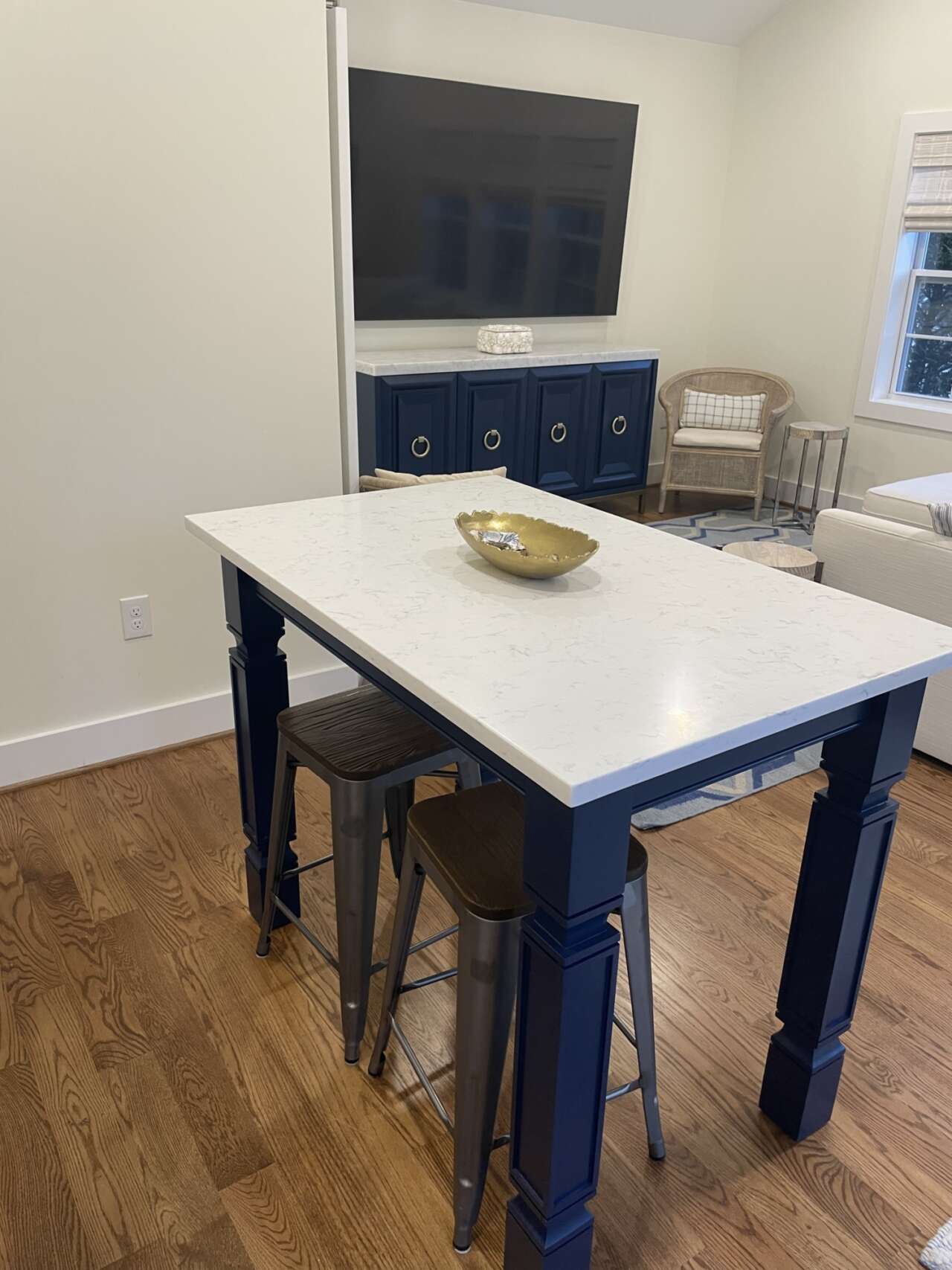
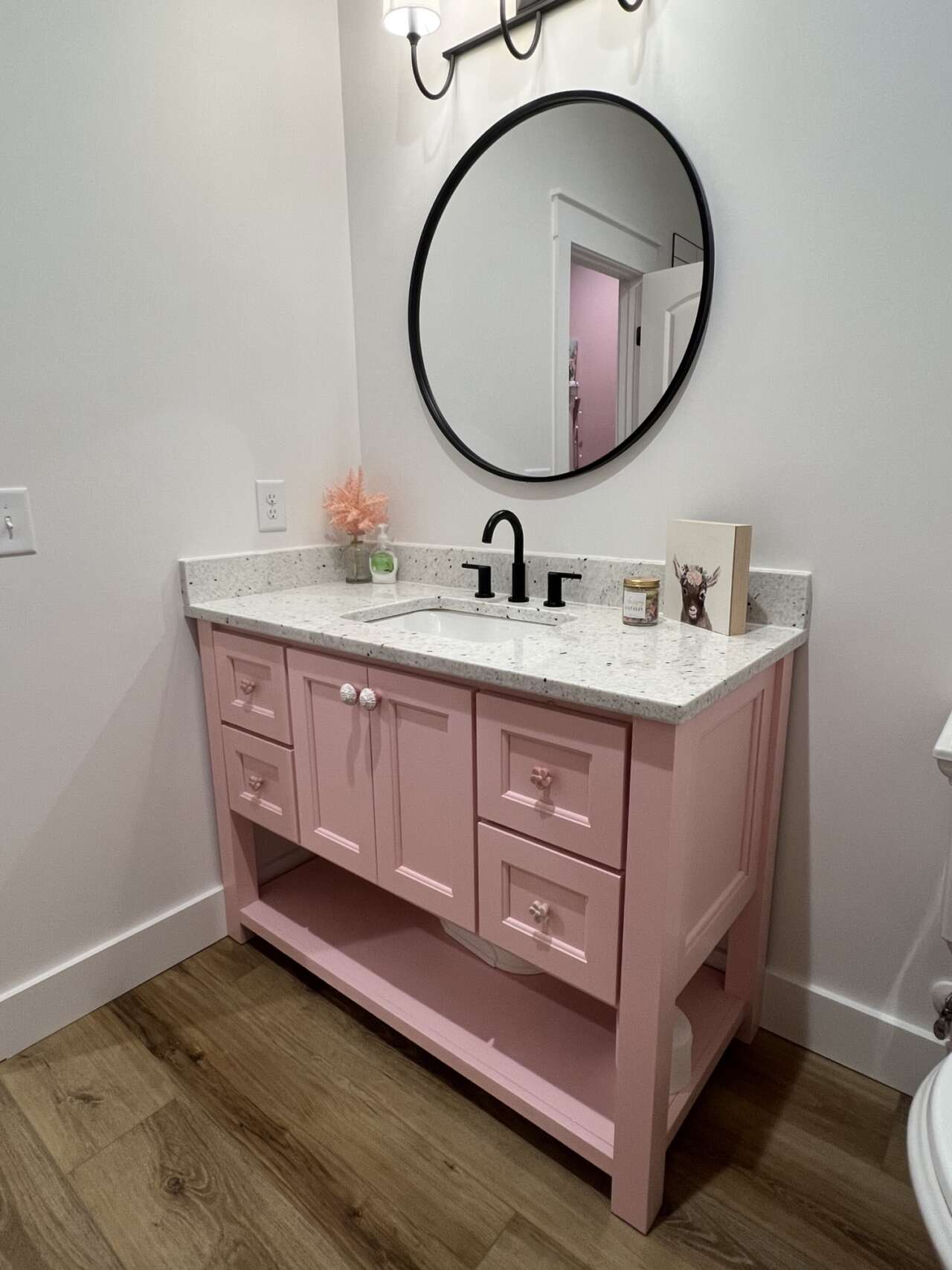
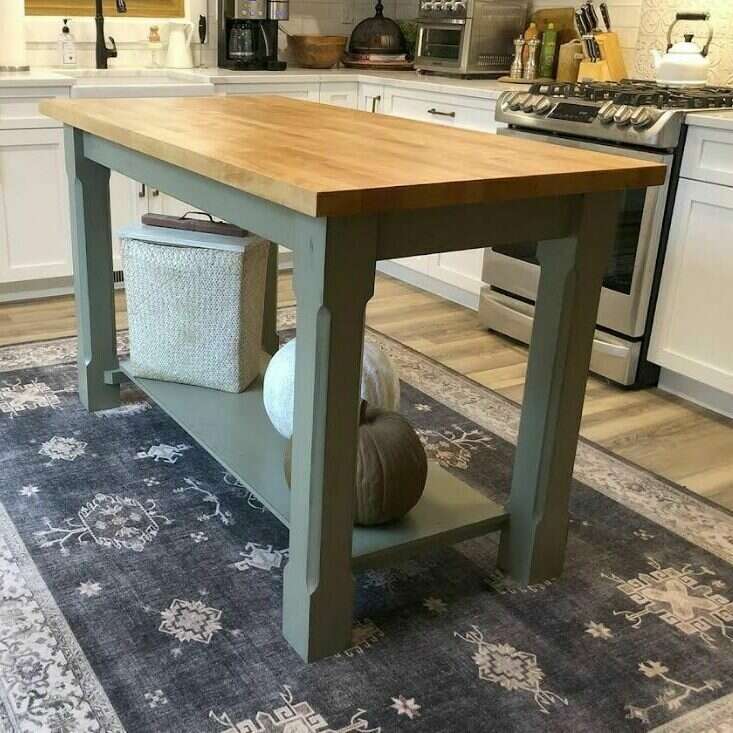
Wood is easy to paint or finish in a wide range of colors. As your interior design interests change, you can strip and apply different stains or paints to the wood to match those evolving style trends. When you buy wood legs from Osborne Wood, you’ll find unfinished pieces that are ideal for painting or staining.
 |  |  |  |
Repair and Longevity
Metal is extremely difficult to repair. Once the material suffers dents or corrosion, the next step is typically to replace the legs. While metal lasts for years with good maintenance, corrosive climates and accidental impacts play roles in destroying the metal.
If you’re looking for a sustainable investment, wood offers more to appreciate. You’ll enjoy long-term use from wood legs since they’re easier to repair. Sanding and refinishing remove the flaws that affect wood surfaces, eliminating the need to replace damaged legs. As a result, wood lasts longer than metal in most environments.
When to Consider Metal Legs

When comparing metal vs. wood legs, it’s important to realize that wood offers greater versatility. It repairs easily and helps create a warmer or more welcoming atmosphere. Even so, there are some situations in which metal legs are best.
If you’re furnishing an industrial facility or creating a post-modern home style, use metal legs to complement those environments. You might use hairpin metal legs to build a coffee table or bench in an ultra-modern home.
Which Option Is Right for You?
As you compare wood and metal table legs, you might find benefits to each material. Keep in mind that wood usually wins this debate due to its versatility and longevity. You can style wood into countless shapes and dimensions, while metal’s rigid nature limits styling options for that material.
When you need wood legs for your project, Osborne Wood’s reputation as a leading provider stands out. We select the highest quality wood for our pieces and offer customizable components that our customers can adapt for any project.
As you browse our website, you’ll discover a wide selection of kitchen island legs, table legs, and furniture feet. Use our products to finish any project and add a sense of warmth to your furnishings.
Explore the Industry’s Widest Selection of Table Legs
When you partner with Osborne Wood, you’ll find metal and wooden furniture components to meet every need. Our high-quality products offer aesthetic beauty, functionality, and durability for all types of projects. Contact us to speak with a product specialist today!