
Maple vs. Pine
Maple vs. Pine: Choosing the Right Wood for Your Project
Wood applications in home design are many and varied. The type of wood you select is important from both functional and aesthetic standpoints.
The relative hardness and durability of a wood species will determine the best uses, from supportive to merely decorative. If the wood is going to be visible, you’ll also want to choose the coloration and grain pattern that works with your home style and personal taste.
Maple and pine are among the most popular options, depending on use and design style. Which is better for your next home improvement project? Here are several things to consider when choosing maple vs. pine.
 | 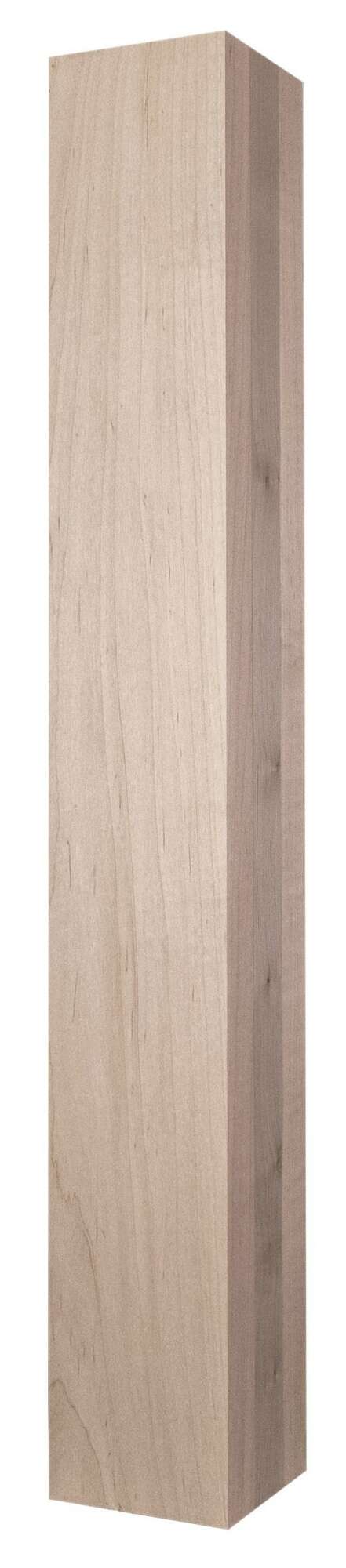 | 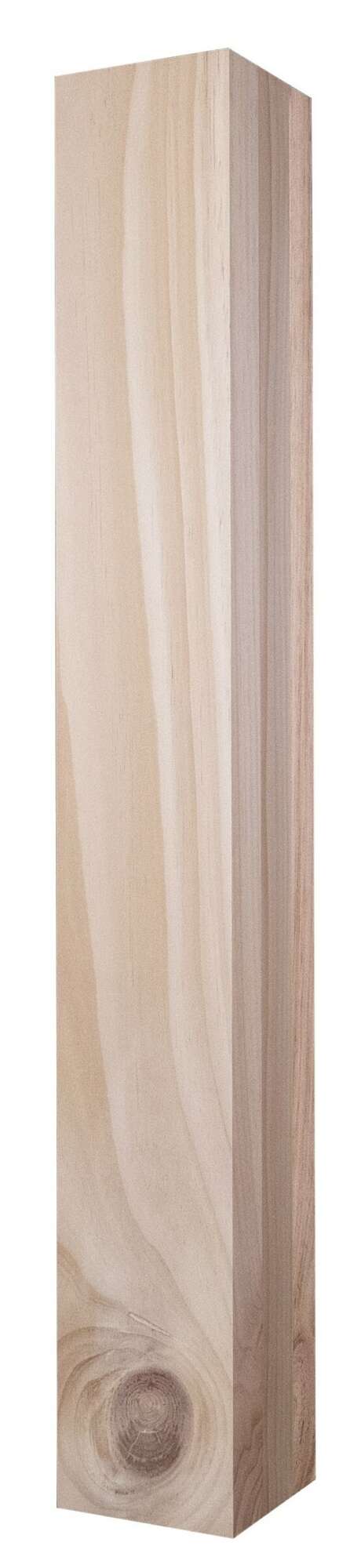 |
Maple Wood Overview
Maple is a beautiful and durable choice for cabinetry, furniture, interior flooring, finishes and more. Different species of maple are found across the U.S., with higher concentrations in the northeastern states. Before you select a preferred species for your needs, you should know there are two main types of maple — hard and soft.
Both are considered hardwood, offering outstanding strength and resilience, but one is considerably harder than the other. Hard maple wood tends to feature a tight grain pattern and creamy coloration that could lean into reddish or golden hues, although soft maple is typically darker. Soft maple also has mineral streaking and coloring that varies. Both offer exceptional finishing capabilities.
Pine Wood Overview
Pine species are found in nearly every state in the U.S, with knotty pine common to the northeast and Midwest regions. This softwood ranges from pale yellow to golden brown hues with medium graining and varying knots throughout that provide the characteristic appearance it’s known for.
Easy to work with, this species may be used for rustic wall panels and furniture designs. How can you choose between maple vs. pine when planning your next project?
Key Differences Between Maple and Pine
When debating using maple vs. pine, several factors could come into play, from the makeup of the wood to its relative workability. Here’s what you need to consider before choosing.
Hardness and Durability
Perhaps the most practical aspect of choosing maple vs. pine is how strong and durable maple is. On the Janka scale for hardness, hard maple has a rating of 1450, soft maple comes in at 950, and knotty pine is rated at 420.
What does this mean? Hard maple is dense and resistant to wear and impact damage, making it ideal for long-lasting furniture, wall panels, exposed beams, and flooring.
Soft maple can serve many of the same purposes, often being compared to cherry in terms of density. It is lower than hard maple on the hardness scale, but it still proves effective for most load-bearing applications.
Knotty pine is more prone to dents and scratches but may still be used for rustic furniture and a range of decorative elements.
Grain and Appearance
Lovely cream hues and tinges of reddish-brown or gold characterize hard maple, along with an attractive, uniform grain pattern featuring straight lines and scarce knots. Soft maple has a similar appearance with occasional shades of red and brown. It also has mineral streaking with color variances.
Knotty pine has a yellow to light brown hue with some reddish streaks and prominent knots. The rustic appearance makes this pine species a popular choice for farmhouse, lodge, and country styles.
Workability
Hard maple is quite dense. It can be machined with sharp tools but may dull them quickly. Soft maple is easier to work with. Both types of maple have fine graining that allows for detailed carving and a smooth finish.
By comparison, knotty pine is easy to cut and shape, even with hand tools, although knotty areas can experience tear-out if you’re not careful.
Staining and Finishing
When prepared properly, maple takes stain or paint equally well. Hard maple can be stained to mimic a variety of expensive and exotic species. Soft maple is recommended for painting and can easily offer unique charm.Both support effective turning, gluing, and finishing.
Knotty pine glues and finishes reliably but must be conditioned before staining to ensure an even finish. Prominent knots are prone to bleeding through light paint colors. A clear coat is the best way to showcase the rustic beauty of this distinctive species.
Uses
How can you use maple vs. pine? Hard maple is a robust choice for flooring and support structures, but it also makes for gorgeous heirloom furniture, like bedroom sets, desks, and dining tables. Soft maple is an equally lovely choice for furniture, and cabinets.
If you like the look of rustic cabinets, dressers, doors, and millwork, you can’t go wrong with the character of knotty pine.
Weight
High density makes maple a heavier wood. Hard maple varieties can be about 44 pounds per cubic foot, while softer varieties fall in the range of 32-38 pounds per cubic foot. Knotty pine, on the other hand, is relatively lightweight at about 25 pounds per cubic foot.
Maple vs. Pine Wood Quick Comparison

Which Wood Should You Choose?
Choosing between maple vs. pine will depend on several factors. After you select the hardness and aesthetic you prefer, you must consider your budget and skill level. Maple tends to be more expensive and harder to work with, but exceptional longevity and fine finishing could make it worthwhile.
Popular Osborne Wood Products in Maple and Pine
Maple wood is a timeless choice for everything from furniture legs to paneling, brackets, and other design elements. It is especially popular for chic, classic styles, such as square mission kitchen island legs or Venice classic corbels.
Knotty pine offers charming, rustic appeal for a range of practical and decorative purposes. Traditional styles like husky dining table legs and square kitchen island legs display the distinguishing characteristics of this pine species.
If you’ve chosen the wood species perfect for your upcoming home remodel or furniture project, contact Osborne Wood now to speak with a product specialist and find the ideal components for your build.